How Much Water Does It Take To Grow Seedlings?
There isn’t one single gardening task where each gardener hasn’t lost at least a few seedlings due to water problems.
 By Plant Calculator Editorial Team
12 min read
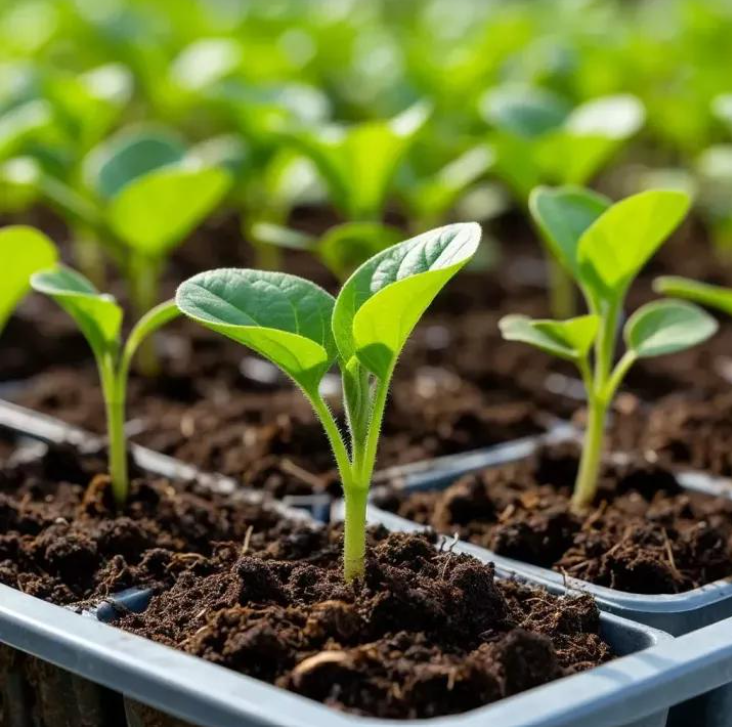
On this page
There isn’t one single gardening task where each gardener hasn’t lost at least a few seedlings due to water problems. Some dry up in the bright sun in the windowsill, while others literally drown thanks to their owner’s kindness and good intentions. Watering sounds easy enough, yet this process results in more early failures than any other.
The trick is that there isn’t one universal solution. While a tomato seedling in a hot and sunny greenhouse requires a completely different watering regimen than a lettuce seedling kept in a cool basement, the underlying principle of proper watering is the same in both cases. And once you know the principle, you will be able to read the seedlings yourself.
This article describes how much water you need for seedlings, how often to water, how to do it and how to identify problems early.
Reasons for Seedling Sensitivity to Water
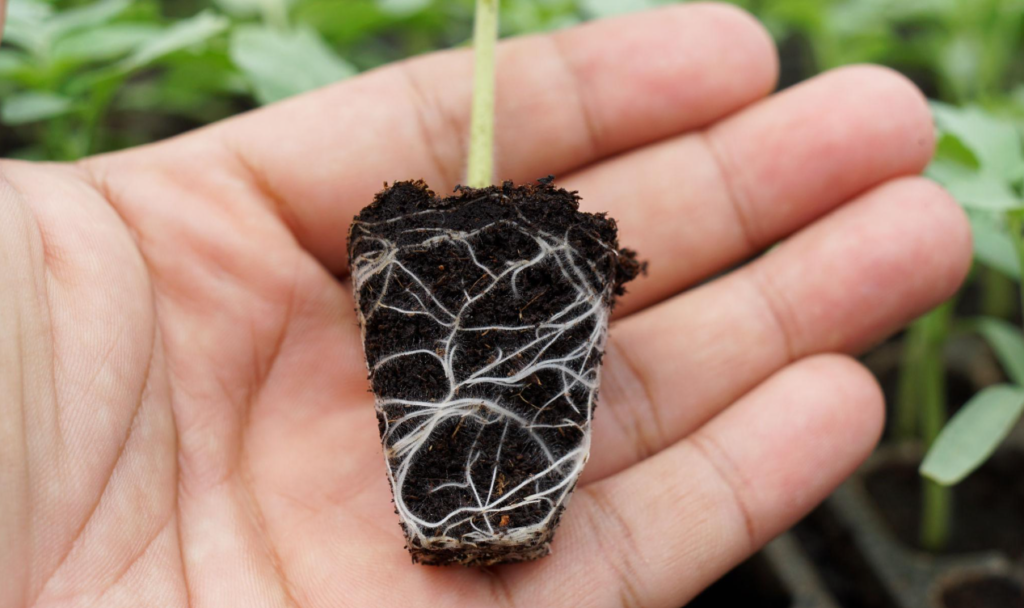
In an adult plant, the root system penetrates deeply into the ground and allows the plant to absorb water from a great depth. In a seedling, there is almost no root system; it consists only of a network of extremely thin threads of roots not exceeding an inch or two in length.
This is a very small margin of error:
- The soil gets dried out very fast. The small container contains very little water, and the upper layer, which contains all the roots, dries up first.
- The seedling cannot cope with problems with the roots. If root hairs are completely dried up, they can be dead in several hours.
- Excessive water can harm plants even more. Roots also need oxygen along with water. The moist soil excludes air from pores, which means that roots are essentially suffocated.
The main thing is moisture in sufficient quantity and depth, not a certain amount of water.
The Golden Rule: Evenly Moist, But Not Wet
The most effective visual to have in mind is a squeezed-out sponge. A proper sponge will be thoroughly moist but will drip nothing when lifted up. This is what seedling soil should be like.
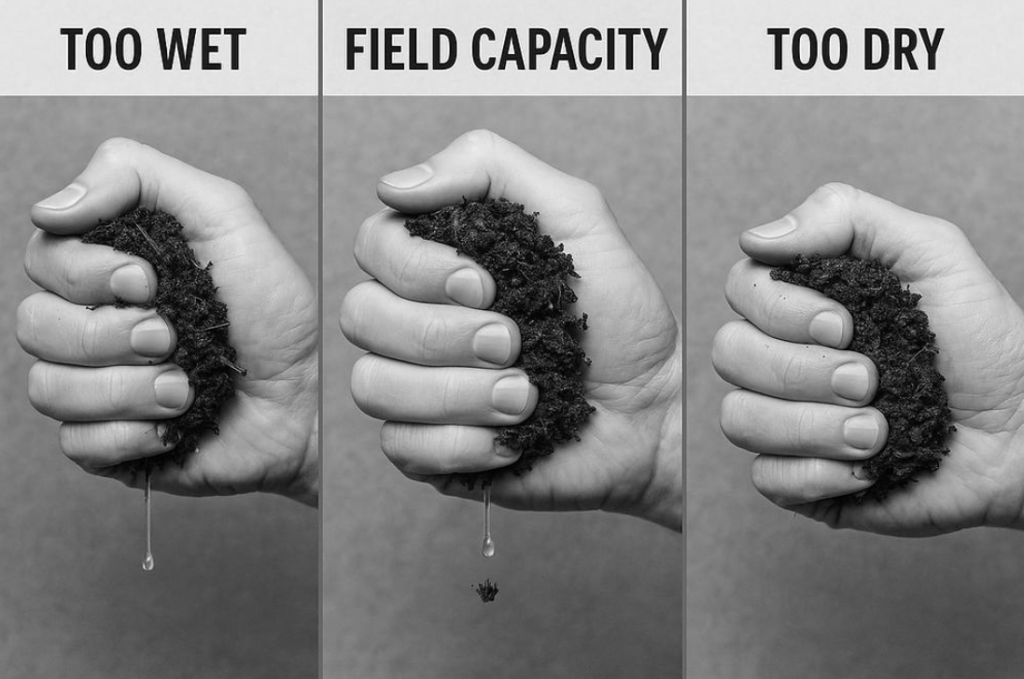
When squeezing a fistful of the planting medium:
- Too dry: it falls apart into powder and cannot form any shape whatsoever.
- Correct: it is cool and damp and forms a small lump that does not drop water at all.
- Too wet: there is some dripping from your palm or the soil resembles muddy slush.
Try to get that just-right state while the plants are still seedlings. This is not about watering and letting the soil dry as is done with full-fledged house plants.
Watering Frequency
The common advice is that you should water the seedlings every day. This is correct to an extent but also needs to consider a few factors.
Variables that Influence the Timing
Pot size. Small cells in a seedling tray dry out way faster than in a bigger pot. A small seedling tray in a warm environment can require watering twice a day, compared to every two or three days for a bigger pot.
Temperature. Warmer environments increase the rate of evaporation and cooler environments reduce it. A seedling tray on a heat mat dries out faster than in normal temperatures.
Light. Seedlings that are exposed to intense lights or bright south-facing windows dry out faster since there is a lot of photosynthesis and transpiration going on.
Humidity and air flow. The use of a humidity dome maintains humidity and reduces watering frequency. Fan or windy areas make the surface dry much faster.
Medium. Humus soil retains a lot of moisture. If there is a large amount of perlite or vermiculite in the medium, it will dry quickly. Coco coir is somewhere in between.
Plant species. Some seedlings such as lettuce and brassicas grow better in moist soil. Other seedlings like peppers and many herbs require dry soil between watering.
Checking, Not Guessing
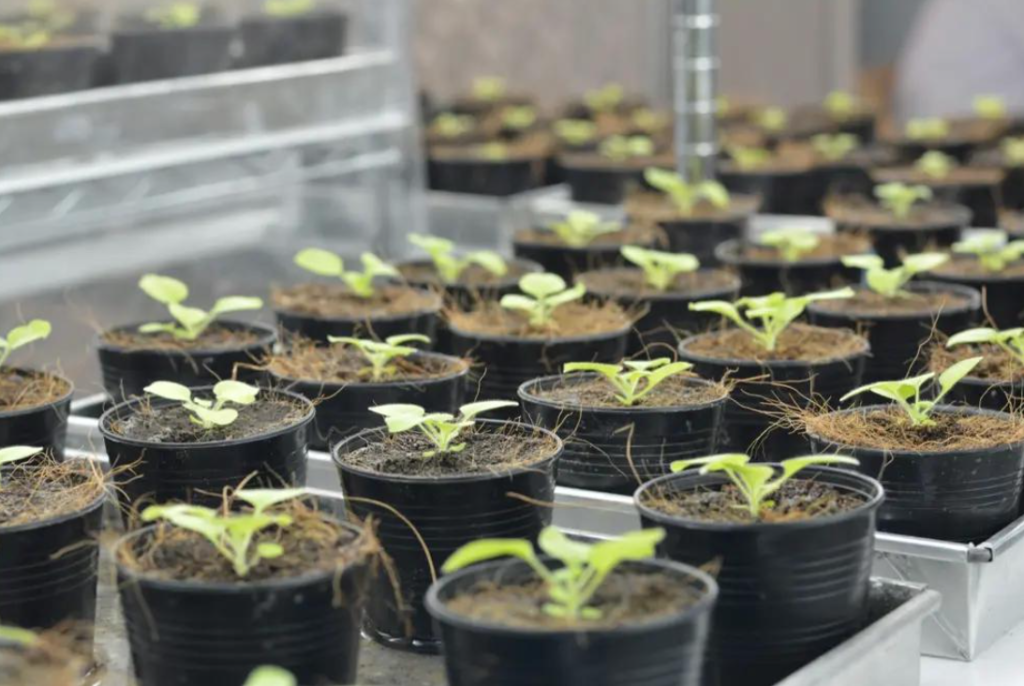
With so many factors at work, the best method is to check rather than to guess based on any schedule. Try these fast checks:
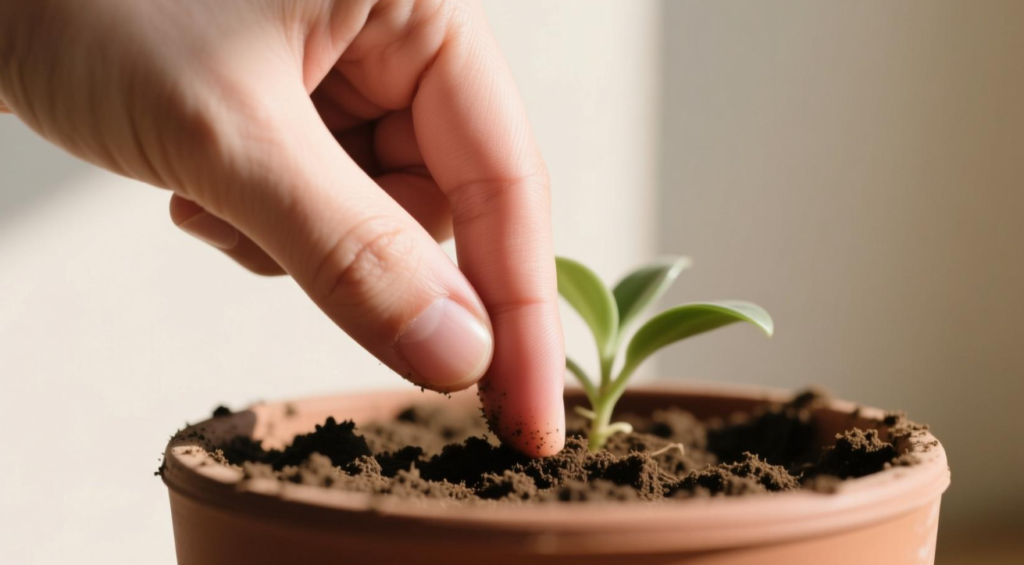
- The finger method. Touch a fingertip down into the soil about a half-inch deep. If the soil feels dry, water. If it feels moist, don’t.
- The weight method. Pick up the pot or tray immediately after watering it and again when it’s dry. You’ll soon get to know the difference between the two. A dry pot is quite light.
- The appearance method. Potting soil that’s dry may be a lighter color than moist potting soil. If the surface looks pale and dusty, you have a sure sign.
Checking only once or twice a day for a few seconds each time avoids most problems.
The Right Amount of Water to Apply at One Time
The primary purpose of watering is to ensure that the entire root zone is wet without flooding the soil.
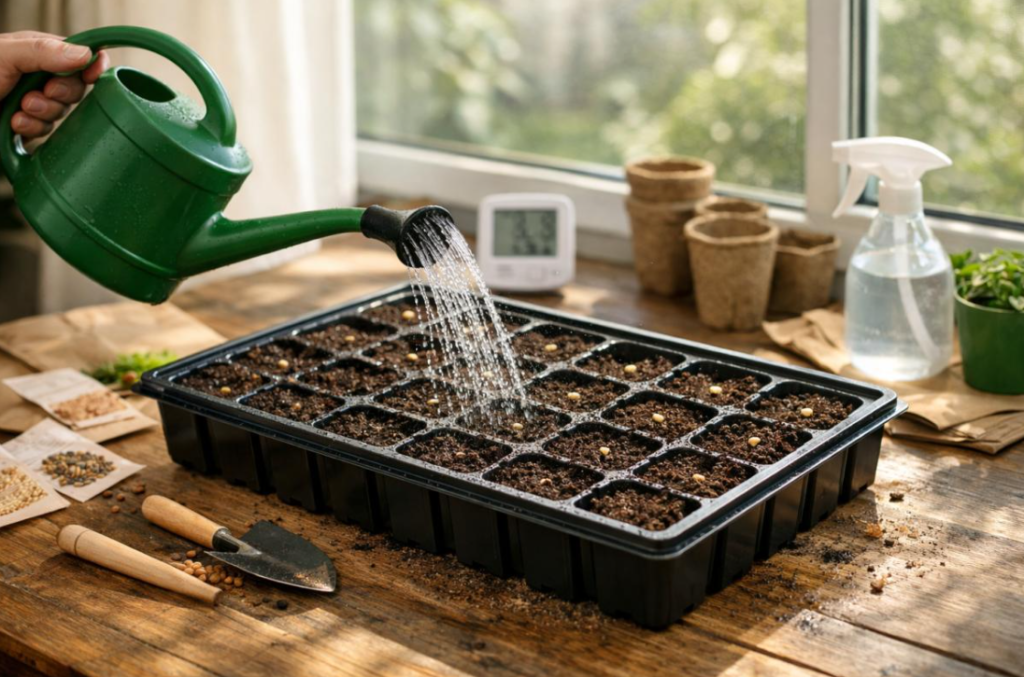
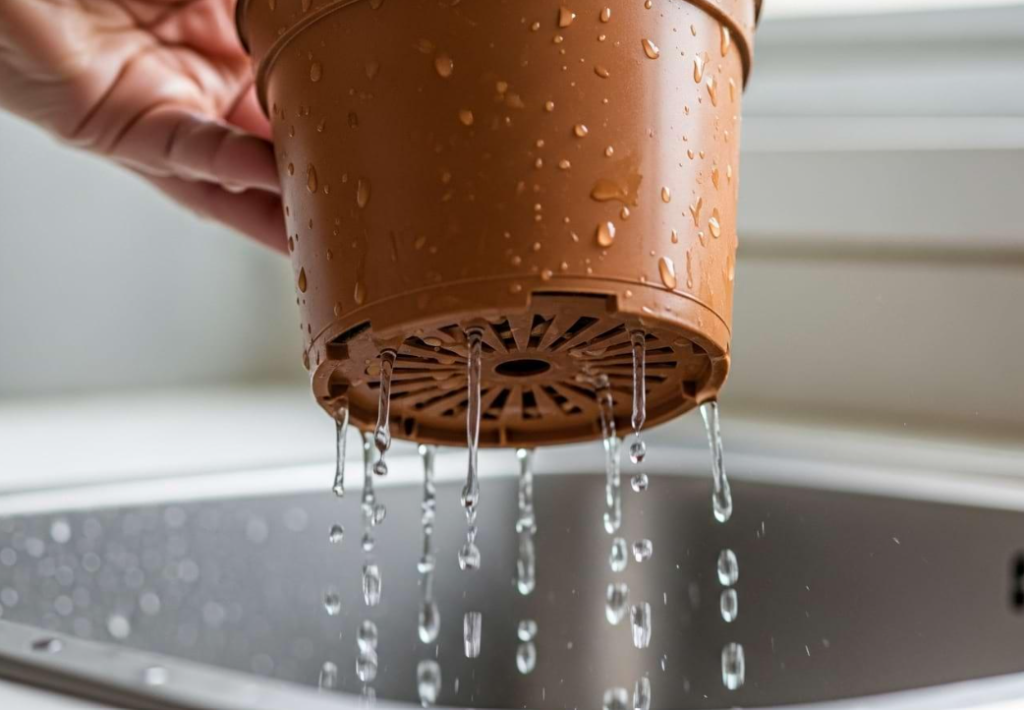
For seedlings grown in trays or small cells, keep watering until a small amount of water begins seeping from the drainage holes. This shows that the entire soil block is now moistened. Small pots may require a few tablespoons to one-quarter cup, based on their size.
There are two common mistakes that should be avoided:
- Sprinkling lightly – this causes roots to remain shallow and dries out the deeper soil layer.
- Drenching the container with water – it leaves the soil flooded for many hours, which allows diseases to thrive.
However, regardless of what technique is applied, it is important to drain all excess water that will have collected in the tray within about half an hour.
Best Practices in Watering Seedlings
The way in which you water your seedlings is almost as important as the amount that you use. A strong stream of water from a standard watering can may crush delicate stems and bury seedlings in addition to washing away the seeds and the soil.
Using a Mist from a Spray Bottle
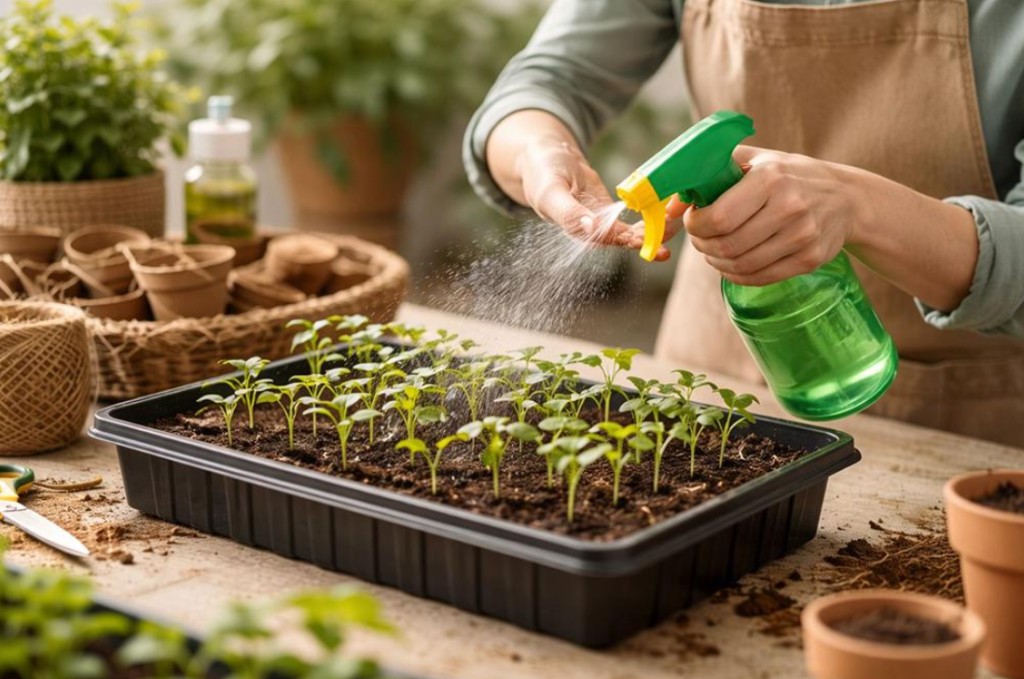
Misting is perfect when used on seeds right after planting and the first few days after they have germinated. Misting is a gentle process that does not disturb any parts of the soil at all. However, misting is often unable to moisten the soil deeply enough to be effective.
Watering with a Watering Can
Using a watering can with a fine rose or shower nozzle allows for gentle watering. Do not pour water quickly; rather, pour slowly and ensure that you pour directly onto the soil.
Bottom Watering
This is considered by many gardeners to be the most gentle way. Put your seedling tray into a container filled with water and allow water to absorb through the drainage holes of your planting medium for 20 to 30 minutes. Then take it out and allow the excess to drain away.
Here are some benefits of bottom watering:
- This method does not interfere with seedlings and does not compact the soil;
- The plant foliage remains dry, and fungal issues do not arise;
- It promotes root growth downwards since the roots have to go there in order to get water;
- The soil becomes moist evenly, starting from the bottom.
However, the only disadvantage of this technique is that fertilizer salts may accumulate in the soil. If this happens, you will see a white crust, and once in a while, you should flush them using a gentle top watering.
Pipette or Squeeze Bottle
This device allows you to add water to tiny plants or very small cells precisely.
What Kind of Water Is Best?
In most cases, normal tap water will suffice. Here are a few modifications that you can make:
- Use room temperature water. Extremely cold water can stun young plants’ roots and hinder their development.
- Allow tap water to sit. If your water is highly chlorinated, allow it to sit uncovered for several hours to give off some of the chlorine.
- Try using rainwater. Rainwater is natural and free from additives that plants like.
- Don’t use softened water. Water that was softened using a salt softener may contain sodium harmful to plants.
You shouldn’t be too obsessed with this issue. It’s all about consistency and care.
Signs of Overwatering
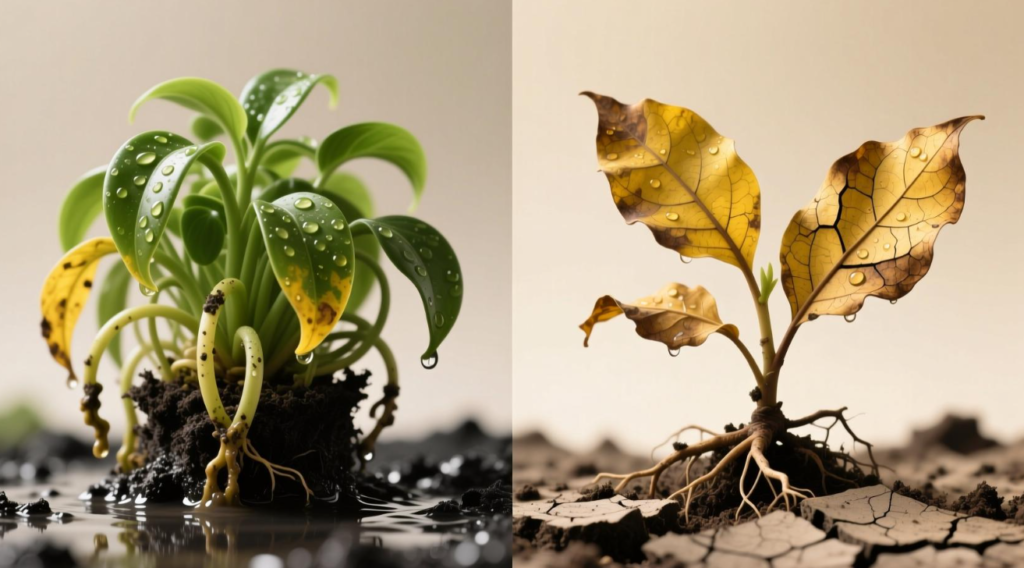
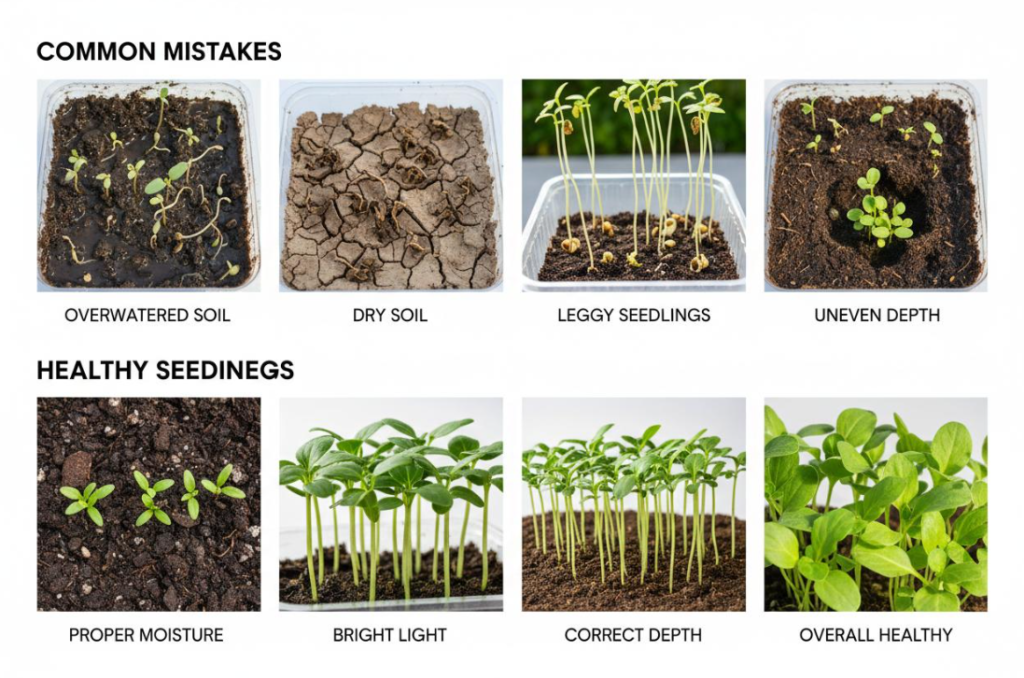
One thing you should be wary about as far as seedling problems goes is overwatering; it kills seedlings more than anything else, and is usually mistaken for underwatering, as plants suffering from the effects of overwatering show symptoms that resemble underwatering. Here’s how you will know if your seedlings are being overwatered:
- Yellow leaves, particularly the lower ones
- Wilting despite the fact that the soil is wet
- Mold or algae forming on the surface of the soil, which appears either white or green
- Sour odor emanating from the soil
- Fungus gnats flying near the tray, where they breed in overly wet soil
- Pale and thin stems that seem frail
The worst case of overwatering is damping off. These are fungal and water mold diseases affecting seedlings at the point where they meet the soil. The stem gets thin and brown, then it breaks down and the plant topples over, as if someone had cut it.
In order to avoid the problem, one should not keep the soil always wet, ensure there is enough air flow for the seedlings, use new and sterile seed starting mix in clean containers and should not plant the seeds too densely.
If you have already over watered, you will be able to save the situation by halting the watering process till the surface of the soil becomes dry, improving ventilation and placing the tray in such a place that gets sufficient airflow and light.
Indications of Underwatering
Underwatered plants will tend to give you clearer signals than overwatered ones:
- Wilt that perches back up quickly after watering
- Crisp brown edges on leaves
- Separation of soil from sides of pot
- Extremely light and dusty soil, dry way down in it
- Stunted growth
If the soil is so dry that water is just running right off it, bottom watering is your best bet for rescuing it. Wait for the soil to absorb the water, as peat-based soils will be water-repellent at first.
Once a plant wilts, it may well bounce back. If it wilts repeatedly, it may not be able to cope, so aim for consistency!
Drainage: The Necessity
Even if you take all necessary precautions with watering, you can ruin everything because of lack of proper drainage. There must be holes in each pot that you use for seedlings, because otherwise the extra moisture will gather at the bottom of the pot, soak the roots, and start rotting immediately.
Useful tips:
- Put the pots on a tray to collect runoff and then empty it.
- Opt for a light, easily draining seed-starter medium instead of the heavy soil from the garden, which becomes waterlogged.
- Refrain from using dirty containers previously used for growing plants without cleaning them beforehand, because they can contain bacteria.
- Forget about putting a layer of small stones at the bottom of the pot , it’s a popular myth, which only worsens the situation with waterlogging.
Adapting As Seedlings Mature
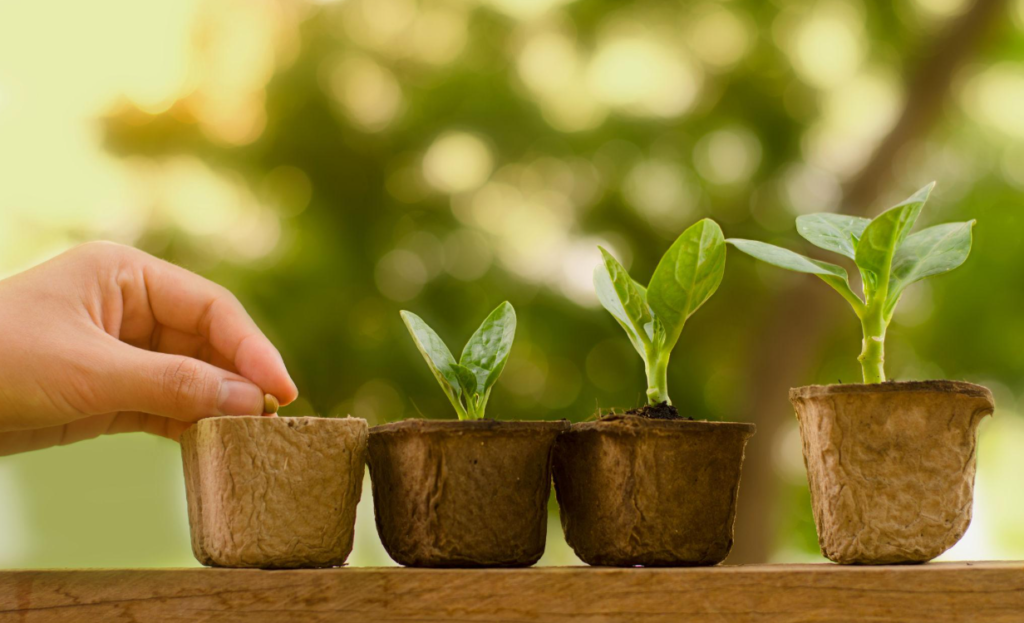
The amount of water required changes along with the growth of seedlings. Immediately after planting, the seeds require consistent moistness on the surface in order to germinate, so make sure that the topsoil remains moist, usually through a humidity dome or a covering. When the seedlings emerge, take away the cover slowly in order to provide some circulation of air.
As the seedlings mature and develop true leaves and deeper roots, their water requirements increase. With the development of deeper roots, more thorough watering but a bit less frequently is now allowed. Before planting outdoors, seedlings are put through a process of hardening off where they are introduced gradually to the effects of wind and sunlight.
A Basic Gardening Schedule
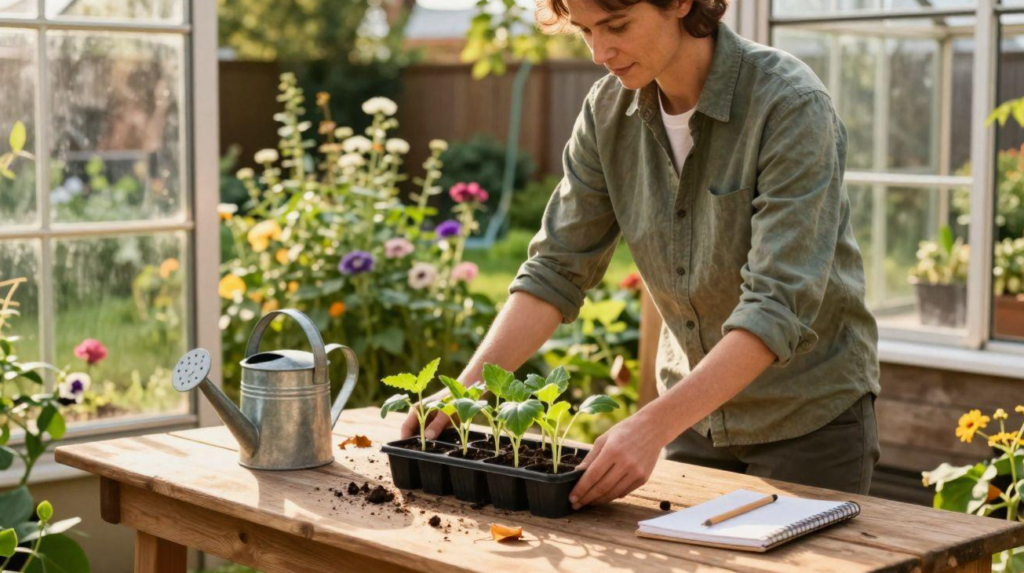
For those who prefer simplicity in gardening, here is a schedule for household gardeners:
- Monitor your garden plants each morning through finger test or lifting of the tray to determine the weight.
- Irrigate when necessary, ideally during morning time so that water can evaporate by the afternoon.
- Water your garden gently and preferably from below until moist soil is observed.
- Remove any excessive water on the trays after 30 minutes.
- If it’s warm and seedlings are young, check your plants in the evening.
- Note any signs of change in color, growth, and presence of molds and act accordingly.
It is advisable to water plants in the morning rather than the evening because a plant left to sit in moisture overnight in cool air will be prone to diseases.
Frequently Asked Questions
Can I water my seedlings every day? Yes, as long as your soil is drying up each day. Just ensure that every time you water, there is a need for it and that your container drains easily.
Should I water from above or below? Both methods can be used. Bottom watering is easier and safer than top watering. However, top watering by spraying fine water works well for stronger seedlings.
Is it alright for the top layer of the soil to get dried up between waterings? It is alright as long as the lower soil, about an inch deep, is moist.
What happens if I forget to water once? Seedlings do not mind if they miss one day of watering. Very tiny seedlings in warm environments might wilt.
Conclusion
Watering your seedlings does not involve using a specific amount of milliliters at fixed intervals. It involves paying attention. Keep the soil moist like a sponge, water carefully, allow excess water to drain and inspect frequently.
You will acquire experience that will enable you to know how the seedling tray will feel like when dry, how the soil looks when it needs watering and how your seedlings react. It is an art which will be helpful for each growing season.
Though your seedlings are small, they are quite vocal. Learn their language and reap a good harvest.